
Chicken Road has become the go‑to crash game for anyone who wants a pulse‑quick experience that rewards quick thinking over lengthy grind cycles. The game’s premise—helping a fearless chicken cross a traffic‑jammed street—sounds simple, but each step brings a potential payout that can skyrocket to over two million times the original stake.
1. The Bite‑Sized Action of Chicken Road
In a single round of Chicken Road you’re faced with a series of steps—24 on Easy, down to just 15 on Hardcore—that determine your multiplier growth. The excitement comes from the moment the chicken hops onto the next tile; you decide whether to keep moving or cash out before the next trap reveals itself.
This makes the game perfect for short bursts of play: a five‑minute session can produce several wins or a quick loss, fitting neatly into a coffee break or commute window.
Why Short Sessions Matter
Players who enjoy rapid results often choose smaller bets and a target multiplier early on. The adrenaline of watching the multiplier climb in real time keeps you hooked without demanding long periods of concentration.
2. How the Game’s Mechanics Feed the High‑Intensity Flow
The core loop is simple yet relentless: set your bet, pick a difficulty level, watch the chicken hop, then decide to cash out or continue.
Each successful step multiplies your stake by a random factor that gradually climbs as the chicken advances. Hidden traps—representing manhole covers or ovens—appear at random positions; hitting one ends the round and wipes out your winnings.
The game’s design intentionally forces quick decisions: you can’t pause the chicken mid‑hop; you must react instantly.
Dynamic Risk Scaling
Risk increases linearly: the earlier steps are safer, but as you approach the final tiles the probability of hitting a trap spikes dramatically—especially on Hardcore mode where each step carries an approximate 10–25% chance of loss.
3. Choosing Your Difficulty – A Pre‑Session Decision
Before you spin the wheel of fate you must decide which of four difficulty levels fits your appetite for risk:
- Easy – 24 steps, low risk; great for frequent small wins.
- Medium – 22 steps; balanced risk/reward.
- Hard – 20 steps; higher multipliers but increased likelihood of failure.
- Hardcore – 15 steps; maximum volatility; best for seasoned players chasing massive payouts.
Once you’ve chosen a level, you lock in your strategy for that session and focus on timing your cash‑outs rather than worrying about step counts.
Typical Decision Timing
In short sessions players usually set a target multiplier before the round begins—say 3× or 4×—and then let the chicken do the work until that point is reached or surpassed.
4. Quick‑Hit Strategy: Setting Targets and Cashing Out
The key to mastering Chicken Road’s fast pace is to pre‑define exit points and stick with them regardless of how tempting a higher multiplier might look.
A simple rule many quick‑play users follow is:
- Select a target multiplier (e.g., 3×).
- Place a modest bet (1–2% of bankroll).
- Let the chicken move until the multiplier reaches your target.
- Cash out immediately; don’t chase that next step.
This disciplined approach keeps losses in check and preserves bankroll for multiple rounds.
Why Discipline Beats Greed
If you wait for a higher payout—say moving from 3× to 5×—you expose yourself to an additional trap hit risk that outweighs the potential extra earnings during short bursts.
5. Mobile‑First Play – The Perfect Platform for Rapid Rounds
The game runs natively on all modern browsers with touch controls that feel natural on smartphones and tablets. No download is required, making it ideal for on‑the‑go sessions.
Key mobile perks include:
- Instant loading times; no waiting for assets.
- Low data usage—great for cellular users.
- Battery‑friendly interface that doesn’t drain power during quick sessions.
Because the game’s layout is clean and responsive, even a tight screen on an iPhone can display the multiplier and control buttons without clutter.
6. Demo Mode – Rapid Learning Without Risk
If you’re new to crash games or just want to practice your timing, the free demo offers all four difficulty levels with identical RNGs as real money play—just like a sandbox version of your favorite app.
Here’s how to get the most out of demo sessions:
- Play each difficulty once to gauge how often traps appear.
- Notice how quickly multipliers climb on Easy versus Hardcore.
- Experiment with different target multipliers to see which feels comfortable.
The demo is intentionally designed for quick rounds; you can finish a session in under two minutes and immediately start another.
The Benefit of Demo Mastery
By mastering the rhythm on demo mode you reduce emotional decision‑making in real play—a crucial advantage when you’re chasing fast wins.
7. Bankroll Management Tailored for Short Sessions
Keeping your bankroll healthy while playing multiple short rounds requires clear limits:
- Bet size limit: Never bet more than 1–2% of your total bankroll per round when playing Quick Hit style.
- Session loss cap: Set a hard stop—e.g., if you lose €20 in a session, stop immediately.
- Profit target: Aim for a modest gain—perhaps €5 or €10 per session—before calling it a day.
This approach ensures you remain in control after each rapid burst, minimizing the temptation to chase losses during consecutive rounds.
A Simple Example
If your bankroll is €200, your maximum bet per round should be €2–€4 depending on risk appetite. After five rounds you’ve only played €10–20; if you hit a streak of wins you’ll have extra capital to reinvest into another few sessions.
8. Common Pitfalls in Quick‑Hit Play and How to Dodge Them
The thrill of rapid results can lead to rash choices. Here are three frequent mistakes and practical ways to stay on track:
- Overconfidence: Assuming you can predict trap placement can cause you to ignore your preset exit points.
- Candor with Greed: Waiting for a higher multiplier often means paying the price of an extra trap hit.
- Lack of Breaks: Playing back‑to‑back rounds without short pauses can lead to fatigue and poor decision timing.
A quick way to stay disciplined is to set a timer that rings after every three rounds—prompting a brief mental reset before launching into the next burst.
9. Real Stories of Quick Wins on Chicken Road
The community frequently shares moments where a single rapid session turned into a satisfying payout:
- A player hit 4× on Easy mode within sixty seconds and cashed out €15 from a €5 bet.
- A commuter caught the chicken at 7× on Medium during a subway ride and walked away with €50 before reaching their destination.
- An evening player cashed out at 10× on Hard after just five steps—earning €300 from a €30 stake in under three minutes.
These anecdotes highlight how short, focused play can generate real results without demanding long investment periods or deep strategic planning.
The Psychology Behind Quick Wins
A brief win provides instant gratification that fuels motivation for another round—a cycle that keeps players engaged while respecting time constraints.
10. Take Flight – Start Your Quick‑Hit Journey Now!
If you’re looking for an adrenaline rush that fits into any spare minute, Chicken Road offers just that—a crash game built around swift decisions and immediate payouts. Pick your difficulty level, set a clear target multiplier, and let the chicken guide you toward victory. Ready to test your timing? Grab your phone or computer, launch Chicken Road today and experience high‑intensity gaming without the wait. Happy crossing!

Top rated products
-
 Raj swadist churan
Original price was: ₹250.00.₹200.00Current price is: ₹200.00.
Raj swadist churan
Original price was: ₹250.00.₹200.00Current price is: ₹200.00.
-
 Dell Inspiron 3530 Thin & Light Laptop, 13th Gen Intel Core i3-1305U/8GB/512GB SSD/15.6" (39.62cm) 120Hz Refresh Rate on a FHD IPS Display/Windows 11 + MSO'21+McAfee 15 Month/Carbon Black/1.62kg
Original price was: ₹47,621.00.₹37,886.00Current price is: ₹37,886.00.
Dell Inspiron 3530 Thin & Light Laptop, 13th Gen Intel Core i3-1305U/8GB/512GB SSD/15.6" (39.62cm) 120Hz Refresh Rate on a FHD IPS Display/Windows 11 + MSO'21+McAfee 15 Month/Carbon Black/1.62kg
Original price was: ₹47,621.00.₹37,886.00Current price is: ₹37,886.00.
-
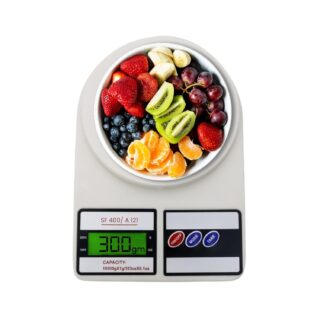 Atom 10Kg Kitchen Weight Machine 6 Months Warranty, Digital Scale with LCD Display, Scale for Home Baking, Cooking & Balance Diet. Weighing Machine with capacity 10Kg
Original price was: ₹599.00.₹205.00Current price is: ₹205.00.
Atom 10Kg Kitchen Weight Machine 6 Months Warranty, Digital Scale with LCD Display, Scale for Home Baking, Cooking & Balance Diet. Weighing Machine with capacity 10Kg
Original price was: ₹599.00.₹205.00Current price is: ₹205.00.
-
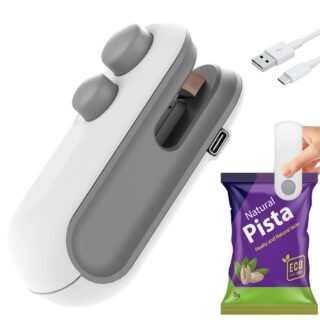 Wazdorf Sealing Clip - Portable Mini Sealing Machine Handheld Packet Sealer for Food, Snacks, Chips, Fresh Storage, Plastic Bag Sealing Machine, Multicolor
Original price was: ₹999.00.₹249.00Current price is: ₹249.00.
Wazdorf Sealing Clip - Portable Mini Sealing Machine Handheld Packet Sealer for Food, Snacks, Chips, Fresh Storage, Plastic Bag Sealing Machine, Multicolor
Original price was: ₹999.00.₹249.00Current price is: ₹249.00.
-
 Raxon Innovation PVC Door Guard (39 Inches, Pack of 5) Gap Filler for Door Bottom Seal Strip - Sound-Proof, Reduce Noise, Energy Saving Door Stopper for Reduce Door Dust, Door Guard for Home(Brown)
Original price was: ₹699.00.₹199.00Current price is: ₹199.00.
Raxon Innovation PVC Door Guard (39 Inches, Pack of 5) Gap Filler for Door Bottom Seal Strip - Sound-Proof, Reduce Noise, Energy Saving Door Stopper for Reduce Door Dust, Door Guard for Home(Brown)
Original price was: ₹699.00.₹199.00Current price is: ₹199.00.