
Color Theory and Affective Impact in Online Platforms
Chromatic elements in electronic interface development transcends mere visual attractiveness, operating as a sophisticated messaging system that impacts customer conduct, feeling responses, and cognitive responses. When creators tackle color selection, they work with a intricate network of emotional activators that can make or break user experiences. Every color, richness amount, and lightness factor contains inherent meaning that audiences manage both knowingly and subconsciously.
Current electronic systems like bonus senza deposito casino non aams depend significantly on chromatic elements to express organization, establish company recognition, and direct user interactions. The calculated deployment of chromatic arrangements can boost conversion rates by up to four-fifths, proving its significant effect on customer choices methods. This phenomenon happens because hues trigger certain mental channels associated with recall, feeling, and conduct trends developed through cultural conditioning and evolutionary responses.
Digital products that neglect color psychology commonly struggle with customer involvement and keeping percentages. Audiences form evaluations about online platforms within instant moments, and hue serves a vital function in these opening responses. The thoughtful arrangement of chromatic selections creates natural guidance routes, decreases mental burden, and improves complete customer happiness through automatic relaxation and recognition.
The emotional groundwork of hue recognition
Person chromatic awareness functions through sophisticated connections between the visual cortex, emotional center, and prefrontal cortex, generating varied feedback that extend beyond elementary visual recognition. Research in brain science demonstrates that color processing includes both basic sensory input and top-down mental analysis, indicating our brains dynamically create significance from hue signals based on past experiences casino online bonus, environmental settings, and natural tendencies. The three-color principle describes how our eyes detect chromatic information through three types of sight detectors responsive to various frequencies, but the emotional influence happens through later neural processing. Hue recognition involves memory activation, where certain shades trigger recall of associated experiences, feelings, and educated feedback. This system describes why specific chromatic matches feel balanced while alternatives generate sight stress or distress.
Individual differences in hue recognition stem from hereditary distinctions, social origins, and unique interactions, yet shared similarities surface across populations. These commonalities enable designers to utilize anticipated emotional feedback while remaining responsive to diverse audience demands. Comprehending these foundations permits more effective chromatic approach creation that resonates with target audiences on both aware and unconscious levels.
How the thinking organ processes color before aware thinking
Color processing in the person’s mind happens within the first 90 milliseconds of visual contact, long prior to intentional realization and rational evaluation happen. This before-awareness handling includes the fear center and further feeling networks that assess stimuli for emotional significance and likely threat or advantage associations. During this essential timeframe, color impacts feeling, focus distribution, and conduct tendencies without the audience’s bonus casino senza deposito immediato clear recognition.
Brain scanning research show that distinct hues trigger unique thinking zones linked with particular feeling and physiological responses. Red wavelengths stimulate areas connected to arousal, rush, and advancing conduct, while blue wavelengths stimulate regions connected with peace, confidence, and systematic consideration. These automatic responses create the groundwork for aware color preferences and behavioral reactions that come after.
The pace of color processing provides it enormous strength in digital interfaces where users form fast selections about navigation, trust, and participation. System components hued purposefully can lead focus, impact sentimental situations, and prepare particular action feedback ahead of customers consciously assess information or functionality. This pre-conscious influence renders color within the most strong instruments in the online developer’s arsenal for molding customer interactions migliori bonus casino.
Feeling connections of primary and additional shades
Primary colors carry fundamental feeling connections based in evolutionary biology and cultural evolution, generating anticipated emotional feedback across different audience communities. Scarlet usually evokes sentiments related to energy, passion, rush, and alert, creating it powerful for engagement triggers and mistake situations but potentially overwhelming in extensive uses. This hue triggers the stress response network, increasing heart rate and producing a sense of rush that can improve conversion rates when used thoughtfully casino online bonus.
Blue generates connections with confidence, stability, professionalism, and calm, explaining its frequency in business identity and money platforms. The shade’s connection to sky and water creates automatic sentiments of transparency and trustworthiness, making customers more inclined to provide personal information or complete transactions. Nonetheless, excessive blue can feel cold or detached, needing careful balance with more heated emphasis shades to preserve personal bond.
Amber activates positivity, imagination, and attention but can quickly become overpowering or associated with warning when overused. Green connects with nature, growth, success, and equilibrium, rendering it ideal for wellness applications, economic benefits, and green projects. Secondary colors like violet express elegance and innovation, orange suggests energy and approachability, while blends create more refined emotional landscapes migliori bonus casino that advanced online platforms can leverage for specific customer interaction targets.
Heated vs. cold tones: shaping mood and recognition
Heat-related color categorization profoundly influences user sentimental situations and conduct trends within online settings. Warm colors—reds, ambers, and yellows—generate mental feelings of nearness, power, and excitement that can encourage involvement, rush, and group participation. These colors move forward through sight, appearing to advance in the platform, instinctively drawing awareness and creating close, dynamic atmospheres that work well for entertainment, networking platforms, and e-commerce applications.
Cold hues—ceruleans, emeralds, and lavenders—create feelings of distance, tranquility, and reflection that encourage analytical thinking, trust-building, and continued concentration in bonus casino senza deposito immediato. These colors withdraw optically, creating depth and spaciousness in system creation while reducing optical tension during extended usage durations.
Cool palettes perform well in productivity applications, learning systems, and professional tools where customers must to preserve attention and process complicated data successfully.
The strategic mixing of warm and chilled hues generates active visual hierarchies and feeling experiences within customer interactions. Heated colors can emphasize interactive elements and pressing details, while chilled foundations supply restful spaces for information intake. This thermal method to shade picking permits developers to coordinate customer emotional states throughout participation processes, directing audiences from excitement to reflection as necessary for optimal engagement and completion achievements.
Hue ranking and sight-based choices
Color-based hierarchy systems lead audience selection bonus casino senza deposito immediato processes by establishing distinct directions through interface complexity, utilizing both natural color responses and taught social connections. Main activity shades typically employ intense, hot colors that command instant focus and suggest significance, while secondary actions employ more gentle colors that stay available but avoid fighting for chief awareness. This organizational strategy reduces thinking pressure by arranging beforehand data based on user priorities.
- Main activities get strong-difference, rich shades that generate instant visual prominence casino online bonus
- Supporting activities use medium-contrast shades that keep discoverable without distraction
- Lower-priority functions utilize low-contrast hues that merge into the foundation until needed
- Harmful activities use alert hues that demand intentional audience goal to activate
The power of shade organization relies on uniform usage across entire online systems, generating learned audience predictions that reduce choice-making duration and increase certainty. Audiences form cognitive frameworks of shade importance within specific applications, permitting faster movement and decreased mistake frequencies as acquaintance grows. This consistency requirement reaches past single interfaces to cover full customer travels and various-device engagements.
Color in audience experiences: directing actions quietly
Planned shade deployment throughout customer travels generates mental drive and feeling consistency that directs users toward wanted results without explicit instruction. Hue changes can indicate progression through procedures, with gradual shifts from cool to heated shades generating enthusiasm toward success moments, or consistent shade concepts keeping engagement across lengthy encounters. These gentle conduct impacts operate beneath deliberate recognition while substantially influencing finishing percentages and migliori bonus casino audience contentment.
Different travel phases profit from certain color strategies: recognition stages commonly use awareness-attracting distinctions, consideration stages employ trustworthy ceruleans and jades, while completion times leverage rush-creating crimsons and tangerines. The mental advancement reflects natural selection methods, with colors assisting the emotional states most conducive to each stage’s objectives. This alignment between color psychology and audience goal creates more instinctive and effective electronic interactions.
Successful experience-centered color implementation needs understanding audience emotional states at each touchpoint and choosing shades that either complement or intentionally oppose those conditions to achieve particular results. For example, adding warm shades during anxious times can provide comfort, while cold colors during energetic instances can encourage thoughtful consideration. This complex strategy to shade tactics transforms online platforms from static sight components into active behavioral influence systems.

Top rated products
-
 Raj swadist churan
Original price was: ₹250.00.₹200.00Current price is: ₹200.00.
Raj swadist churan
Original price was: ₹250.00.₹200.00Current price is: ₹200.00.
-
 Dell Inspiron 3530 Thin & Light Laptop, 13th Gen Intel Core i3-1305U/8GB/512GB SSD/15.6" (39.62cm) 120Hz Refresh Rate on a FHD IPS Display/Windows 11 + MSO'21+McAfee 15 Month/Carbon Black/1.62kg
Original price was: ₹47,621.00.₹37,886.00Current price is: ₹37,886.00.
Dell Inspiron 3530 Thin & Light Laptop, 13th Gen Intel Core i3-1305U/8GB/512GB SSD/15.6" (39.62cm) 120Hz Refresh Rate on a FHD IPS Display/Windows 11 + MSO'21+McAfee 15 Month/Carbon Black/1.62kg
Original price was: ₹47,621.00.₹37,886.00Current price is: ₹37,886.00.
-
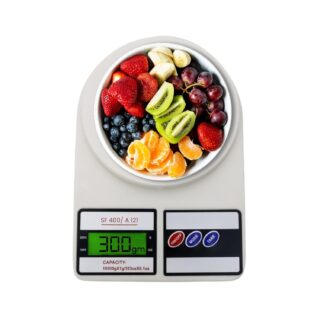 Atom 10Kg Kitchen Weight Machine 6 Months Warranty, Digital Scale with LCD Display, Scale for Home Baking, Cooking & Balance Diet. Weighing Machine with capacity 10Kg
Original price was: ₹599.00.₹205.00Current price is: ₹205.00.
Atom 10Kg Kitchen Weight Machine 6 Months Warranty, Digital Scale with LCD Display, Scale for Home Baking, Cooking & Balance Diet. Weighing Machine with capacity 10Kg
Original price was: ₹599.00.₹205.00Current price is: ₹205.00.
-
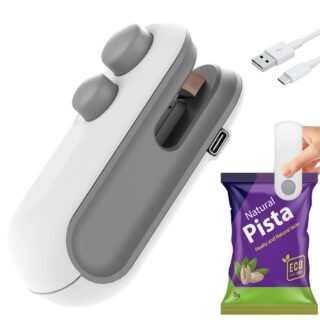 Wazdorf Sealing Clip - Portable Mini Sealing Machine Handheld Packet Sealer for Food, Snacks, Chips, Fresh Storage, Plastic Bag Sealing Machine, Multicolor
Original price was: ₹999.00.₹249.00Current price is: ₹249.00.
Wazdorf Sealing Clip - Portable Mini Sealing Machine Handheld Packet Sealer for Food, Snacks, Chips, Fresh Storage, Plastic Bag Sealing Machine, Multicolor
Original price was: ₹999.00.₹249.00Current price is: ₹249.00.
-
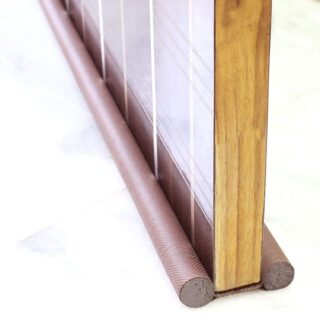 Raxon Innovation PVC Door Guard (39 Inches, Pack of 5) Gap Filler for Door Bottom Seal Strip - Sound-Proof, Reduce Noise, Energy Saving Door Stopper for Reduce Door Dust, Door Guard for Home(Brown)
Original price was: ₹699.00.₹199.00Current price is: ₹199.00.
Raxon Innovation PVC Door Guard (39 Inches, Pack of 5) Gap Filler for Door Bottom Seal Strip - Sound-Proof, Reduce Noise, Energy Saving Door Stopper for Reduce Door Dust, Door Guard for Home(Brown)
Original price was: ₹699.00.₹199.00Current price is: ₹199.00.